


Albus Dumbledore, a central character in J.K. Rowling’s Harry Potter series, is renowned for his role as the wise and compassionate Headmaster of Hogwarts School of Witchcraft and Wizardry. However, before ascending to this notable position, Dumbledore was a teacher who left a lasting impact on his students.
This article focuses on elucidating the subject that Dumbledore, one of the most powerful wizards of his time, taught during his tenure as a professor at Hogwarts.
Dumbledore’s Teaching Role at Hogwarts
Before Albus Dumbledore took on the mantle of Headmaster, he was a professor at Hogwarts, specifically teaching Transfiguration. Transfiguration is a complex and sophisticated branch of magic that focuses on the alteration of the form and appearance of an object or organism.
This subject is a core class that all students at Hogwarts are required to take from their first year onward, highlighting its importance in a wizard’s education.
Transfiguration demands both theoretical knowledge and practical application, and it’s known to be challenging given its necessity for concentration, precise wand movements, and understanding of complex magical theory. The subject covers a variety of topics, including switching spells, vanishing and conjuring items, and animagus training, which is the ability to transform oneself into an animal.
As a teacher, Dumbledore was held in high esteem by his students and fellow staff. His profound knowledge and mastery of the subject, combined with his patience and understanding, made him a highly effective educator. His ability to make even the most difficult aspects of Transfiguration accessible to his students gained him much respect.
It was during his time as a professor that he wrote his influential paper on the subject, and he was instrumental in shaping the understanding and teaching of Transfiguration at Hogwarts. This dedication to education, even before his headmastership, paved the way for Dumbledore’s legacy as one of the greatest teachers Hogwarts has ever seen.
Read more: All The Owners of the Elder Wand
Dumbledore’s Transition to Headmaster
Albus Dumbledore’s transition from being a teacher of Transfiguration to the Headmaster of Hogwarts was not just a progression in his career, but also a reflection of his dedication to the welfare of the wizarding world and its future generations.
Following a distinguished tenure as a Transfiguration professor, Dumbledore was appointed as the Headmaster of Hogwarts. The exact reasons for this transition are not detailed explicitly in the series. However, given Dumbledore’s impressive credentials, wisdom, and his commitment to both the school and the greater wizarding community, it’s reasonable to infer that these factors played a significant role in his selection.
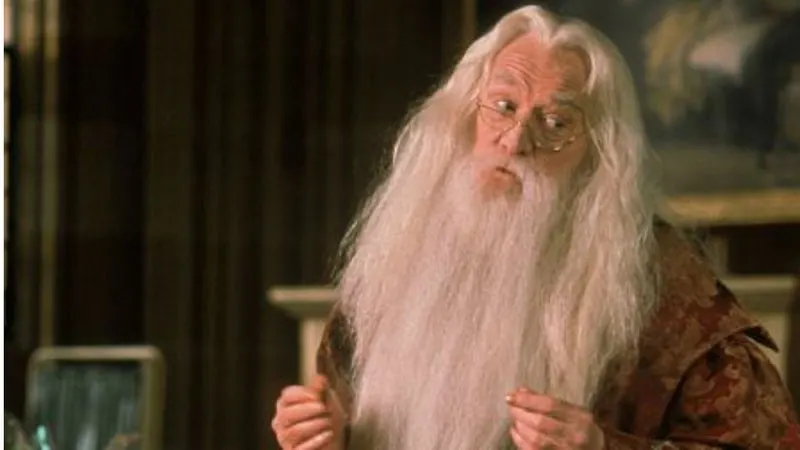
As a strong advocate for Muggle rights and a defender against Dark Magic, Dumbledore was respected and trusted by many in the wizarding world, making him a natural choice for the position. Additionally, his exceptional magical abilities, coupled with his profound understanding of Hogwarts’ values and traditions, further solidified his suitability for the role.
Upon his appointment, Dumbledore continued his work of shaping young minds, now on a larger scale, making significant changes to Hogwarts, such as the introduction of protections around the school and the continued fostering of an inclusive environment for all students, irrespective of their backgrounds. As Headmaster, he guided Hogwarts through some of its most challenging times, always prioritizing the safety and education of his students.
Read more: Tom Riddle’s Transformation into Voldemort
Dumbledore’s Impact as a Teacher and Headmaster
Albus Dumbledore’s impact on the students of Hogwarts and the events of the Harry Potter series is immeasurable, resonating far beyond his time as a teacher and headmaster.
As a Transfiguration professor, Dumbledore was instrumental in the education of countless witches and wizards. His extensive knowledge and deep understanding of the subject, coupled with his ability to deliver complex concepts with clarity, made him a respected figure in the educational realm of the wizarding world. He was known to foster a sense of curiosity and encourage critical thinking, traits that served his students well in their magical and personal lives.
But Dumbledore’s influence extended far beyond the academic. His lessons often contained life truths and moral guidance. He had a unique ability to see the potential in every student, helping them to believe in their abilities, learn from their mistakes, and grow both magically and personally.
He was also a staunch advocate for fairness and equality, treating all students with the same respect and attention, regardless of their background or house affiliation. His belief in the power of love and friendship, as well as his admonition against the perils of power and ambition, were central themes in his teachings.
As Headmaster, Dumbledore’s influence grew exponentially. His tenure saw the school through tumultuous times, including the rise of He-Who-Must-Not-Be-Named, and later, the Second Wizarding War.
His decisions, often driven by a greater understanding of the challenges at hand, were crucial in shaping the course of these events. He was instrumental in creating a safe haven at Hogwarts, implementing protective enchantments and security measures that were pivotal during these times of crisis.
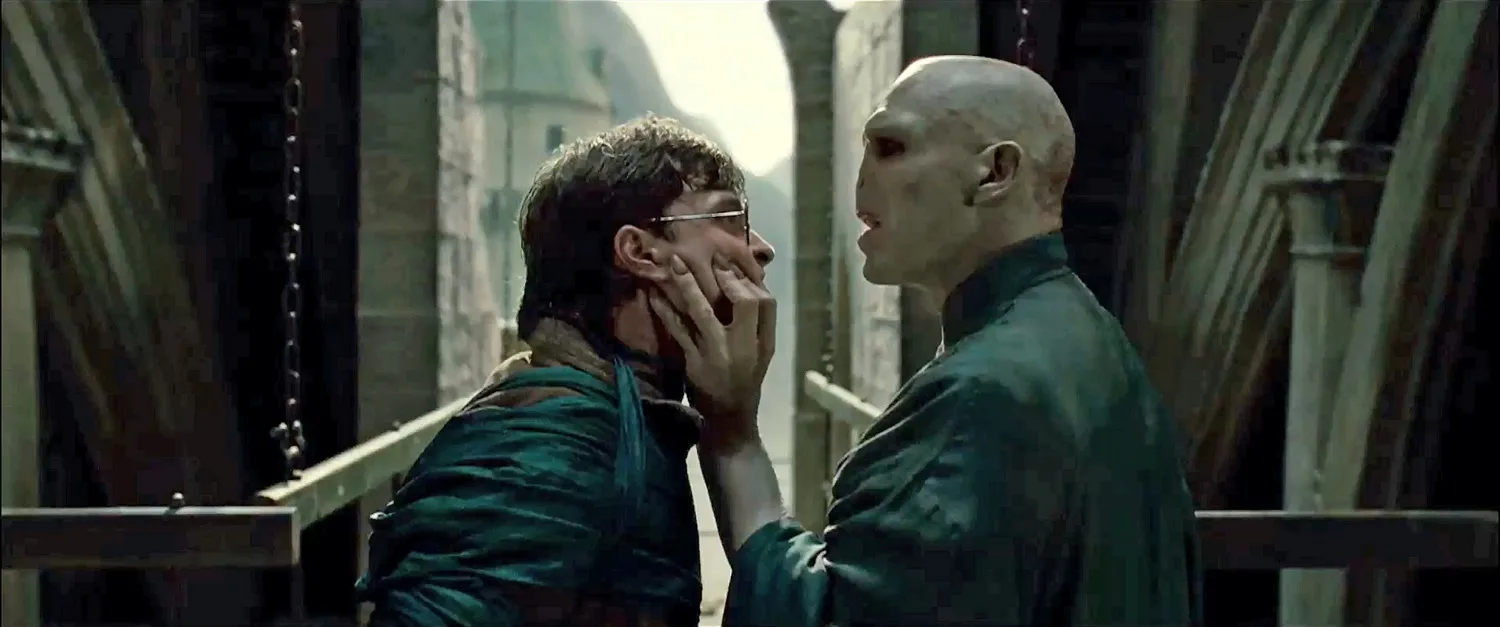
Moreover, Dumbledore’s faith in Harry Potter’s ability to defeat Voldemort was unwavering. He guided Harry, provided him with essential knowledge, and instilled in him the values necessary to resist the Dark Arts. This guidance was a critical factor in Harry’s ultimate victory over Voldemort.

Dumbledore’s legacy is profound. His teachings, wisdom, and values continue to reverberate through the halls of Hogwarts, influencing new generations of witches and wizards. He remains a revered figure in the wizarding world, embodying the very essence of Hogwarts: a place of learning, growth, and acceptance, in magic and in life.
Read more: Did Dumbledore Come Back to Life?